Healthcare rarely changes overnight. Most health conditions develop slowly. The body gives signals in small ways long before a serious problem appears. A slight change in breathing. Unusual fatigue. Fluctuations that feel “off” but not alarming enough to seek immediate care.
This is exactly where patient monitoring devices play an important role. They help bridge the gap between how a person feels and what is actually happening inside the body. Instead of waiting for symptoms to worsen, these devices help track health trends early, clearly, and consistently.
What Are Patient Monitoring Devices?
Patient monitoring devices are tools used to track vital health parameters over time. They measure physical signs that indicate how the body is functioning on a daily basis. These measurements are recorded regularly so changes can be identified early.
Unlike one-time medical tests, patient monitoring devices focus on patterns. They show how health shifts across days, weeks, or months. This ongoing tracking provides a clearer picture than isolated readings taken during clinic visits.
These devices are used both in hospitals and at home. But today, more and more patient monitoring devices are being introduced in the market, designed for personal use. These devices allow individuals to stay connected to their health outside clinical settings.
What Do Patient Monitoring Devices Measure?
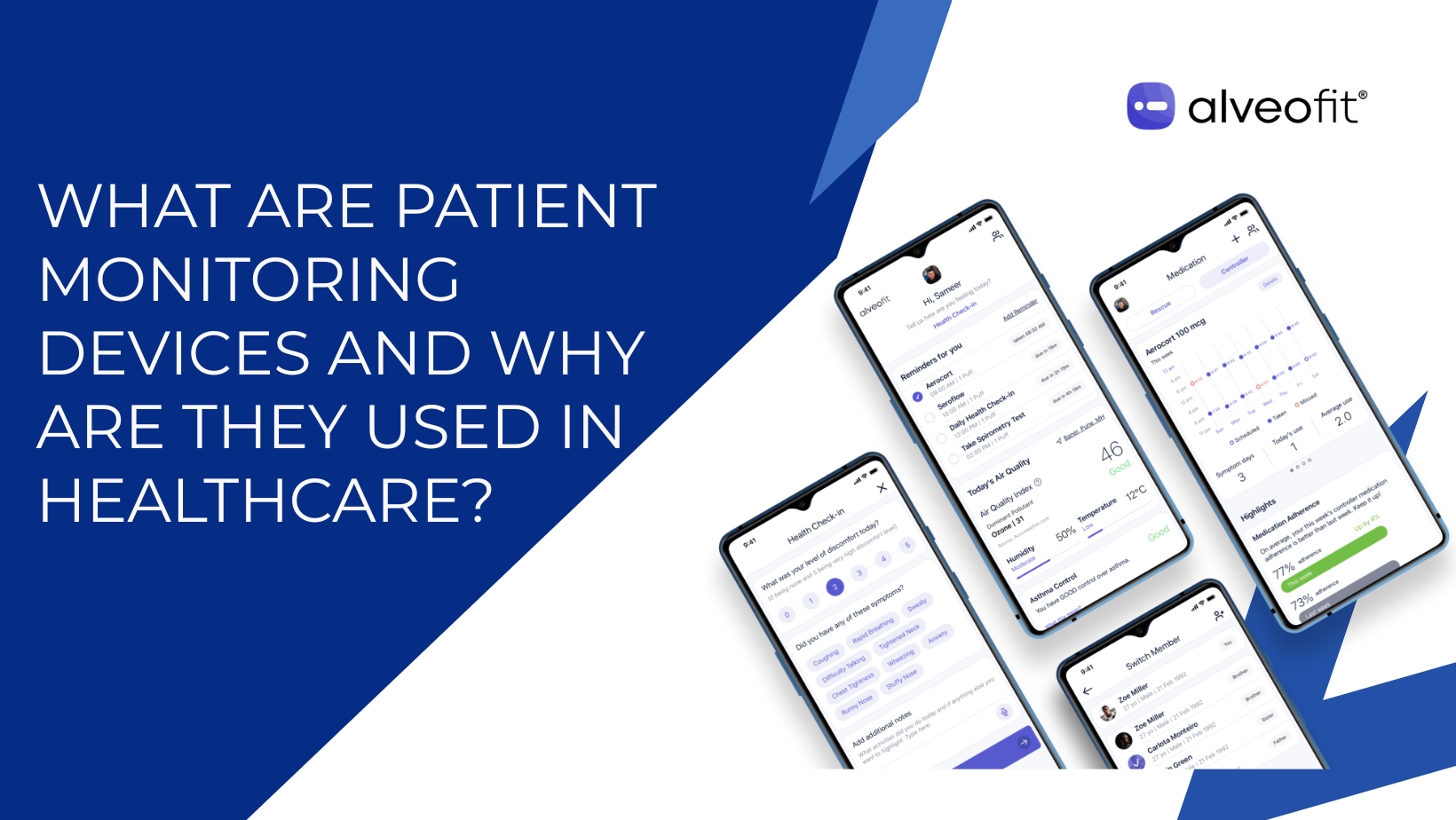
Different patient monitoring devices track different health indicators. The most common measurements include heart rate, oxygen levels, blood pressure, breathing patterns, and lung performance. Some advanced devices, however, also track temperature, sleep quality, and physical activity.
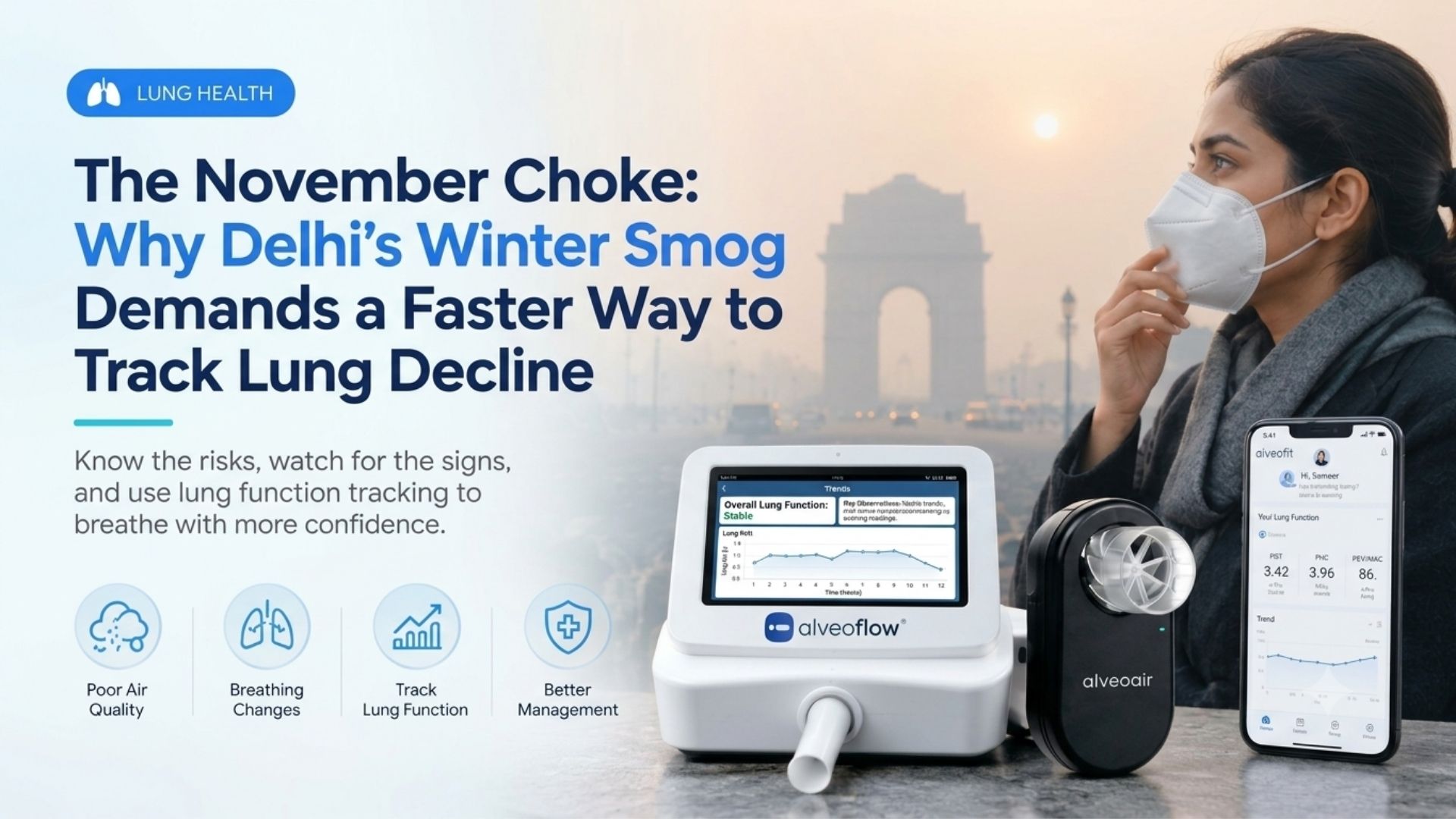
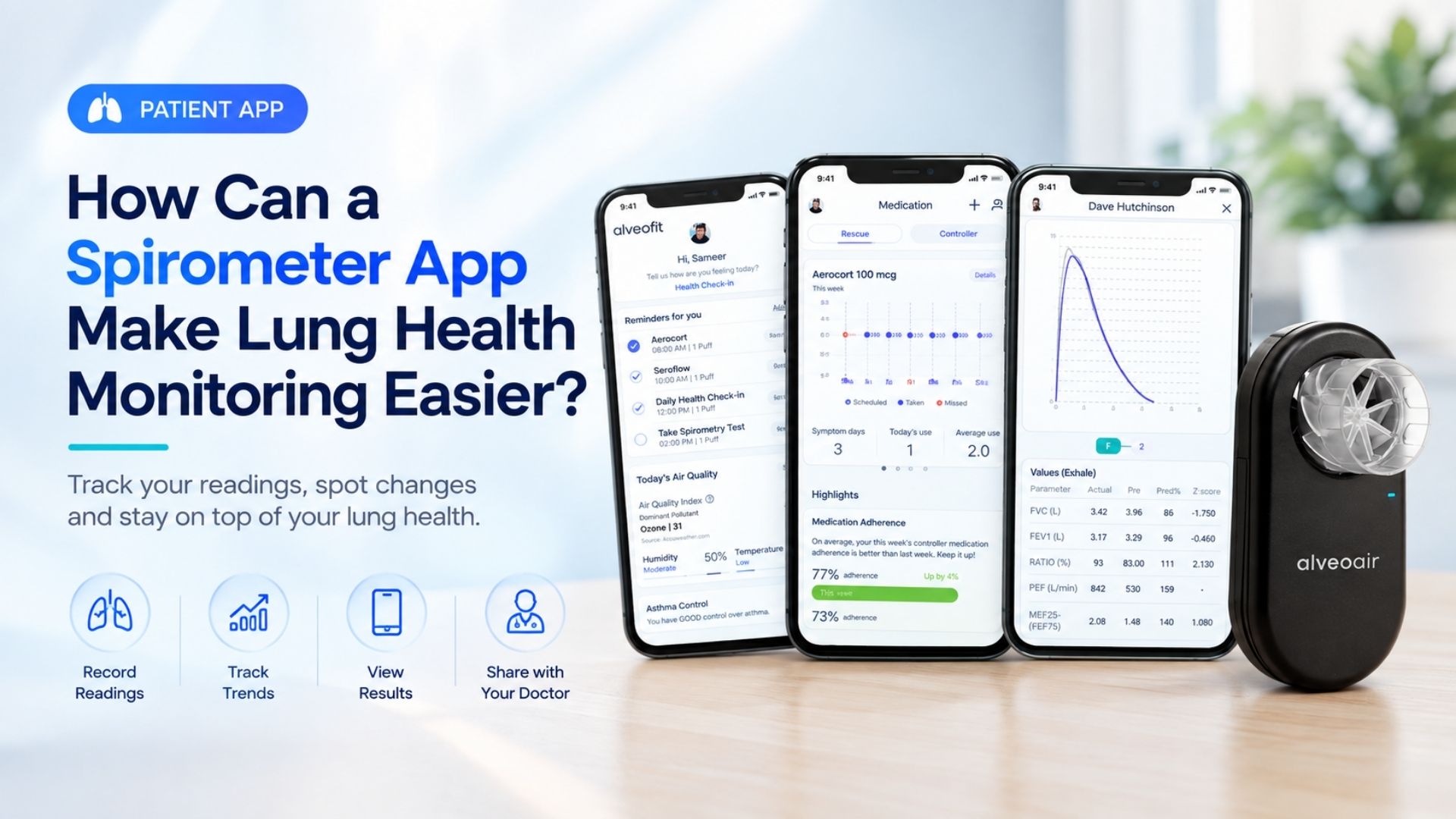
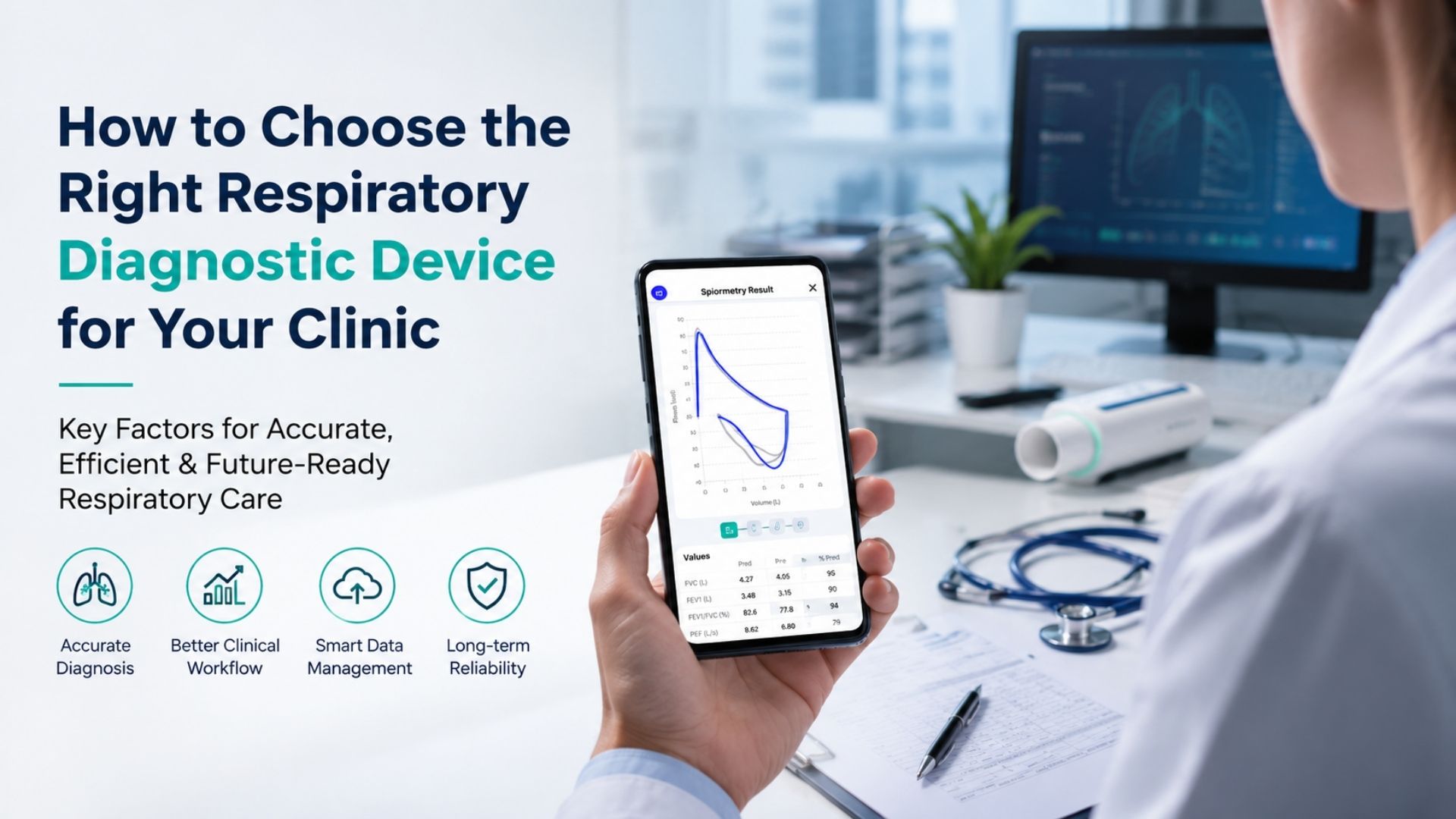
In respiratory care, patient monitoring devices often focus on breathing and lung function. These readings help identify early signs of airway stress, reduced lung capacity, or irregular breathing patterns.
Each measurement on its own may seem small. Together, they reveal how the body is coping and adapting.
Why Are Patient Monitoring Devices Used in Healthcare?
Healthcare professionals rely on patient monitoring devices because they offer objective information that symptoms alone cannot provide. Many health changes develop quietly, and relying only on how a patient feels can delay timely action. Monitoring brings clarity where sensations may fall short.
Patient monitoring devices are widely used in healthcare because they help with:
-
Early detection of health changes
Many health conditions do not worsen suddenly. They progress slowly, often without clear or alarming symptoms. Patient monitoring devices help spot these small shifts early, giving both patients and doctors time to act before the situation becomes serious.
-
Evaluating treatment effectiveness
Treatment does not always produce immediate or obvious results. Doctors need consistent information to understand what is truly working. Regular readings from patient monitoring devices help with it. It shows whether health is improving, staying stable, or gradually declining, making adjustments more informed and timely.
-
Managing long-term health conditions
Living with a chronic condition often brings daily uncertainty. Patient monitoring devices help reduce that uncertainty by adding structure and consistency to care. this ongoing visibility is especially important for people managing asthma, heart disease, diabetes, or long-term lung conditions. They support better routines and steadier control.
How Patient Monitoring Devices Improve Patient Confidence?
Living with a health condition often creates anxiety. Many people constantly wonder if they are doing better or worse. Patient monitoring devices reduce this uncertainty. This happens because
- When individuals can see their readings, they feel more in control.
- They stop relying only on how they feel.
- They start understanding what their body is actually doing.
This confidence encourages better adherence to treatment plans. It also helps people make informed decisions about rest, activity, and lifestyle adjustments.
Why Are Patient Monitoring Devices Becoming Essential?
Modern healthcare values accuracy, continuity, and patient involvement. Patient monitoring devices support all three.
- They provide reliable data.
- They track progress over time.
- They encourage patients to participate actively in their care.
In fact, patient monitoring devices are no longer optional tools, especially because healthcare is becoming more personalized. Today, they are turning into essential components of effective health management because:
- They help doctors make better decisions.
- They help patients understand their bodies better.
- Most importantly, they create a stronger connection between daily life and long-term health.
Conclusion
Health rarely changes in dramatic moments. It shifts quietly, often without clear signals. Patient monitoring devices make those quiet changes visible. They replace uncertainty with understanding and help care begin earlier, not later.
This is where alveofit makes a meaningful difference. It offers intelligent monitoring that fits into daily life. Our smart patient monitoring device helps people track their health consistently and respond before small changes become larger problems.
So, why not simplify long-term care by turning complex health data into clear, usable insights? Learn more about alveofit today!