Healthcare is no longer confined to consultation rooms and paper files. Clinics today are expected to move faster, see clearer, and care smarter. Patients want answers, not delays. Doctors want insight, not assumptions. Administrators want efficiency, not overload.
This is where digital transformation quietly begins.
It does not start with software alone. It begins when clinics choose systems that connect data, simplify workflows, and reveal patterns that were previously invisible. As medicine becomes more personalised and proactive, digital tools are no longer optional. They are becoming the foundation of modern clinical care.
To understand this shift, it helps to first ask a simple question. What does digitalisation truly mean in healthcare, and how does it change the way clinics function every day?
What Exactly Is Digitalisation in Healthcare?
Digitalisation in healthcare is the process of using digital technologies to improve how care is delivered, recorded, and experienced. It means moving away from paper-based systems and isolated tools toward connected platforms that can share, analyse, and act on health data in real time.
This includes the use of electronic health records, telemedicine platforms, and connected diagnostic devices like the Digital FOT system for clinics. It also includes clinical software and smart monitoring systems. Each of these tools plays a role in helping clinics capture information more accurately and use it more meaningfully.
Many people assume digitalisation in healthcare is about replacing doctors with technology. That is far from the truth. In fact, it is about supporting clinical decisions with clearer, faster, and more reliable information. When data flows smoothly between systems, doctors spend less time searching for details and more time focusing on patient care.
At a deeper level, digitalisation allows clinics to move from static records to living data. Instead of reviewing one test at a time, clinicians can see trends. Instead of reacting to symptoms late, they can recognise early changes. This is how digital tools turn scattered information into clear clinical insight.
How Is Digitalisation in Health Possible?
Digital transformation becomes possible when devices, data, and people work together through connected systems. It is not driven by one tool alone, but by how different technologies communicate with each other in real time.
Modern clinics now rely on cloud-based platforms, electronic health records, wireless diagnostic devices, and real-time dashboards. Connected solutions such as the Digital FOT system for clinics fit naturally into this ecosystem by turning diagnostic data into usable, shareable insights across care teams.
Digitalisation allows information to be captured automatically and analysed instantly. This removes delays and manual gaps that often slow clinical workflows. Due to this, decision-making becomes faster and more precise. Moreover, clinicians no longer have to depend on isolated reports or outdated records to guide care.
This shift allows clinics to move away from fragmented processes and step into a connected care environment where every data point contributes to a clearer, more complete clinical picture.
Why Does Digitalisation in Health Truly Matter?
Many clinics still rely on disconnected systems, delayed reports, and manual tracking. Over time, this creates gaps in care that neither patients nor clinicians can clearly see.
When information moves slowly, decisions also slow down. When data stays scattered, patterns remain hidden. This is where digitalisation changes everything. It brings continuity to care. It brings clarity to decision-making. Most importantly, it helps clinics move from reacting to problems toward preventing them.
Here is how digitalisation begins to reshape everyday clinical practice.
-
Accessibility to Healthcare Services
Care should not feel limited by distance, time, or location. Yet for many patients, follow-ups still mean travel, waiting rooms, and delayed reviews. These gaps often lead to postponed care and missed signals.
Digital systems change this by allowing health data to be shared remotely and securely. When clinicians can review information without requiring physical visits, care becomes more flexible, more timely, and far more inclusive. Patients feel supported even when they are not physically present in the clinic.
-
Enhanced Patient Experience
Disconnected systems often force patients to repeat their story at every visit. They carry reports, recall test dates, and explain symptoms again and again. This breaks continuity and adds unnecessary stress.
Digitalisation allows clinicians to gain a full picture instantly. It connects records, test results, and progress notes, ensuring everything is available in one place. This leads to smoother appointments and reduced waiting time. Moreover, it makes patients feel understood rather than processed.
-
Data-Driven Decision Making
Clinical decisions should not depend on memory, isolated reports, or delayed results. Digital platforms break this pattern by organising information into meaningful trends and timelines.
With digitalization, doctors can see how a patient responds over time, how treatment changes affect outcomes, and where adjustments are needed. This clarity allows care to become more precise, rather than reactive or uncertain.
-
Proactive and Preventive Care
Traditional systems often respond after symptoms worsen. By the time action is taken, the condition has already progressed.
Digital tools allow trends to surface early. Subtle changes become visible. Small declines no longer go unnoticed. This allows clinicians to intervene sooner, when care is simpler, outcomes are better, and patients feel more supported.
-
Remote Patient Monitoring
Connected systems allow clinicians to stay informed even when the patient is not physically present. This creates continuity beyond the clinic walls and supports long-term condition management.
When changes appear in real time, responses can be quicker. This reduces unnecessary hospital visits and supports safer recovery at home.
Tools That Help in the Digitalisation of Clinics
Digital transformation becomes real through the tools clinics choose to adopt. Some of the most impactful include:
- Electronic Health Records for seamless data access
- Connected diagnostic devices for real-time measurements
- Cloud platforms for secure data storage
- Telehealth systems for virtual consultations
- Wearable and remote monitoring technologies
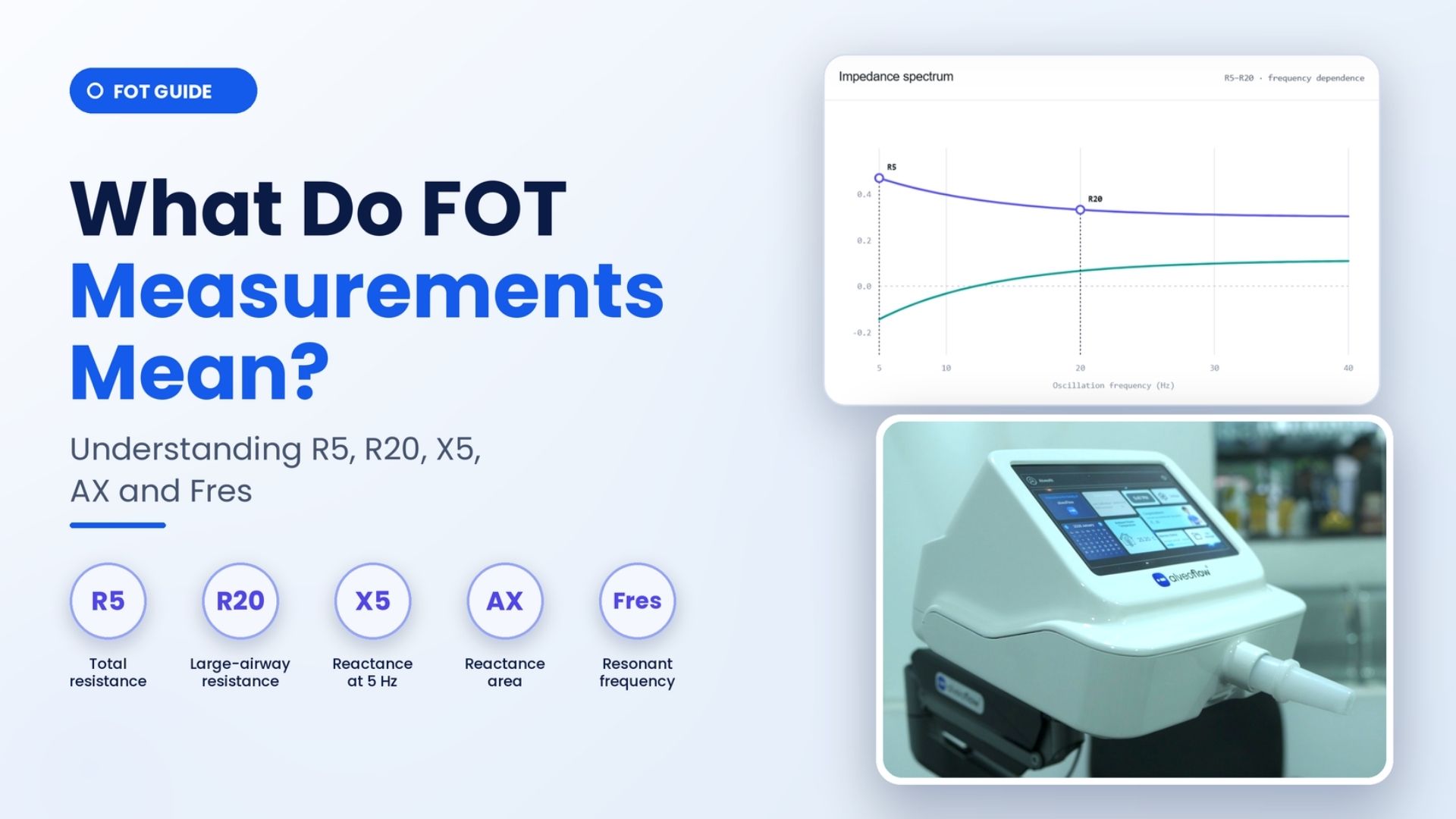
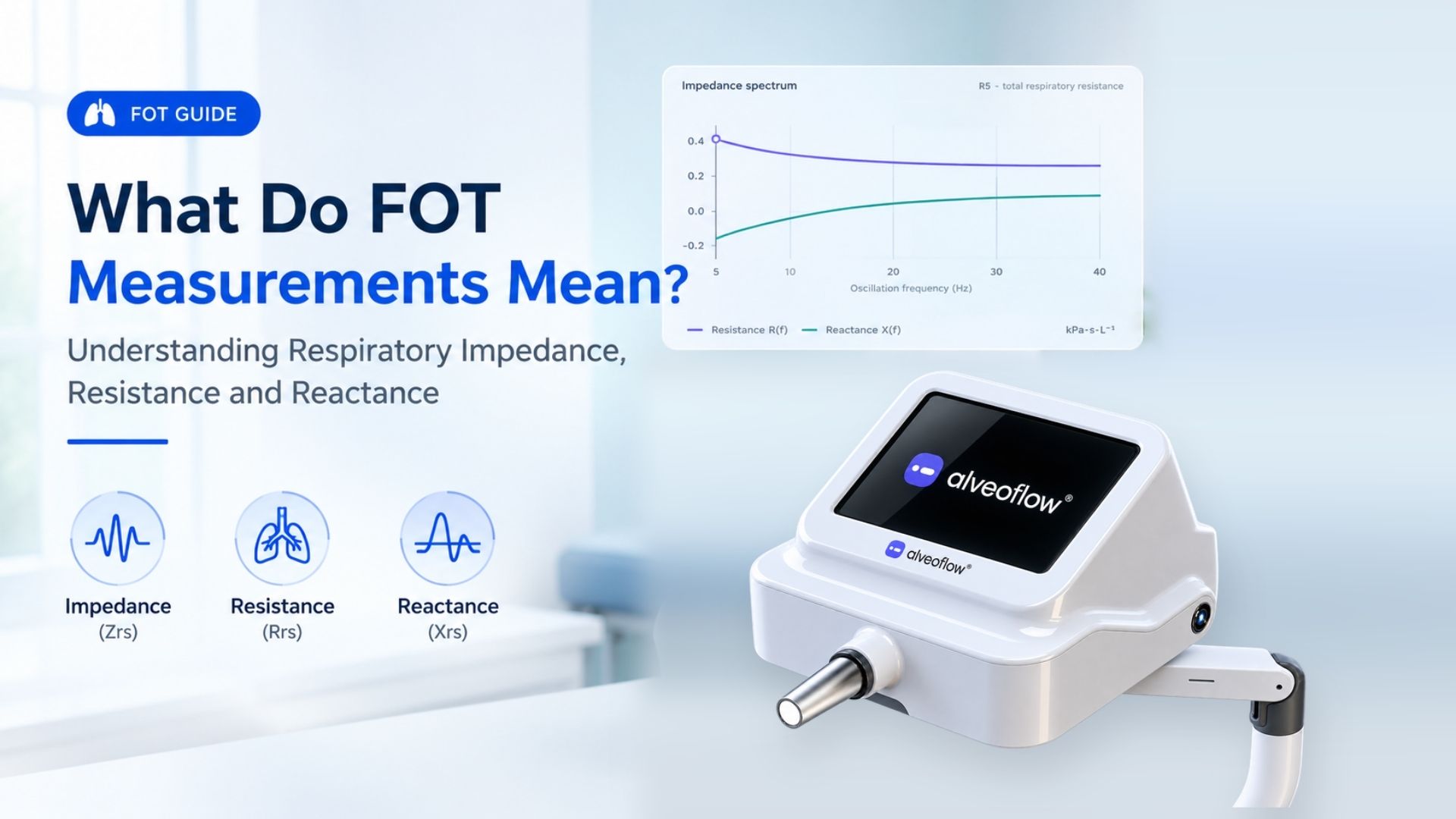
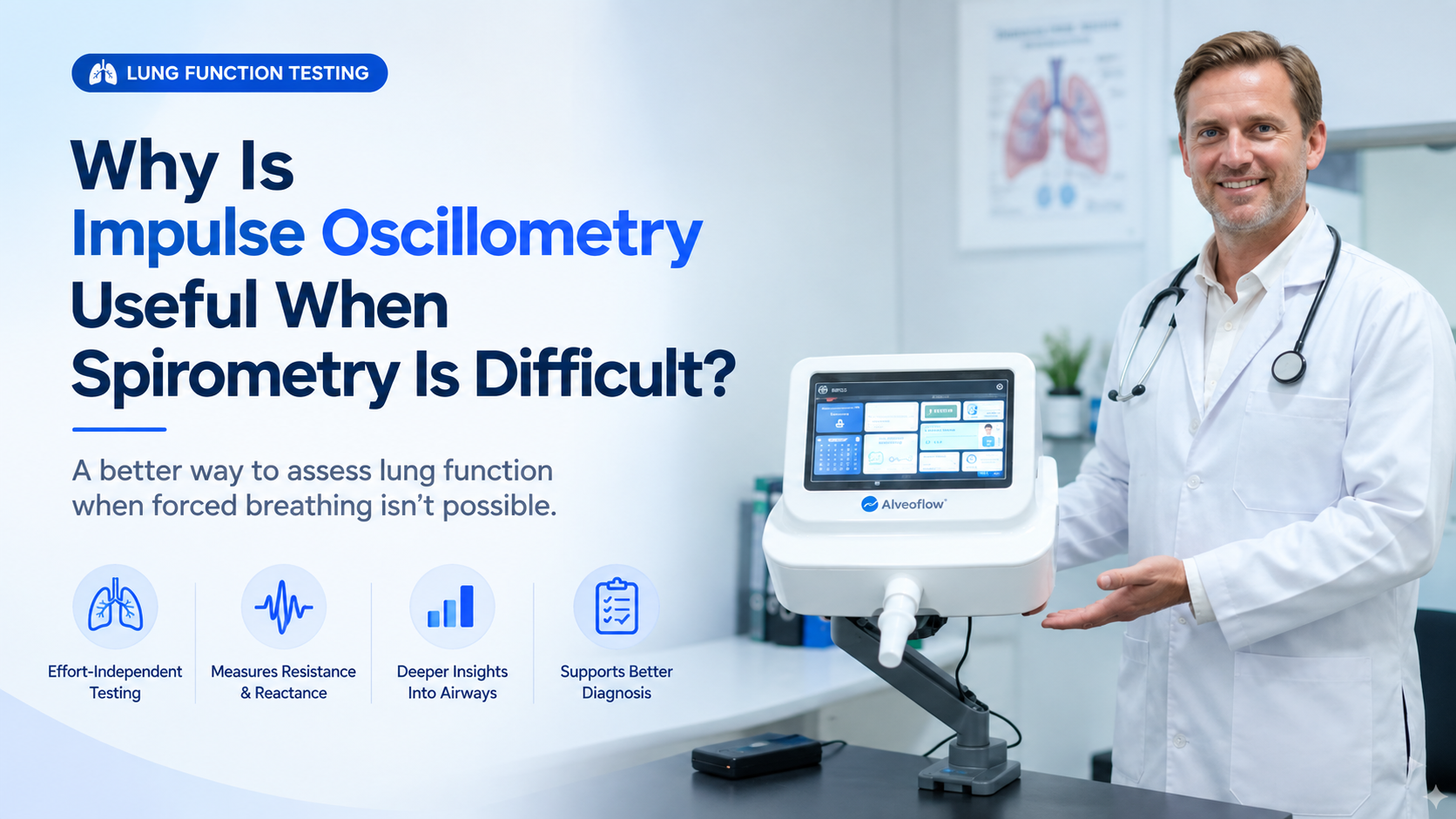
Among these, the Digital FOT system for clinics plays a unique role. Unlike traditional tools that rely on patient effort, this system captures airway mechanics during quiet breathing. When combined with digital connectivity, it allows clinicians to observe airway behaviour trends, share reports instantly, and monitor treatment response over time.
The Digital FOT system for clinics supports deeper respiratory insight while integrating smoothly into digital workflows. It transforms lung assessment from a one-time test into a continuous source of clinical understanding.
Conclusion
Digital transformation is not a future concept. It is already shaping how clinics deliver care today. From connected records to real-time diagnostics, digitalisation is redefining how decisions are made and how patients are supported.
When clinics adopt tools that capture, connect, and interpret data intelligently, they move toward a model of care that is proactive, precise, and patient-centred. Solutions like the Digital FOT system for clinics represent this shift. They combine clinical accuracy with digital integration, allowing respiratory care to become more insightful and responsive.
This is where alveofit steps in. alveoflow is our connected respiratory solution built to support clinicians with clarity, continuity, and confidence.
Ready to bring meaningful digital change into your clinic? alveofit helps you move forward with tools that fit seamlessly into modern care workflows.