Lung function does not deteriorate in a single day. In most cases, the decline happens quietly, building in the background over time. Each delayed response continues to put significant pressure on the airways. The worst part is that this often occurs without clear or immediate warning signs.
This is what makes it difficult. The body does not always signal these changes in obvious ways. In fact, the deterioration may have already advanced a lot by the time symptoms like breathlessness appear.
But what are you supposed to do? How can you recognise if your lungs are beginning to struggle, especially when everything still feels manageable? This is where awareness becomes important. This article talks about early signs that indicate declining lung function, even before symptoms become noticeable.
1. Pay Attention to Subtle Changes That Often Go Unnoticed
Early changes in lung function rarely feel alarming. This is exactly why they are easy to ignore. The key is not to wait for strong symptoms. Instead, you must start noticing small shifts in how your body responds during the day.
Begin by observing how your body reacts to routine activities. You can look for signs such as:
- Slightly slower recovery after physical activity than usual
- A mild sense of heaviness in the chest during everyday tasks
- Unusual fatigue, even when your routine has not changed
- A recurring need to clear your throat or slight irritation in the chest
These changes may not appear serious alone, but together they point to something really serious. So, don’t judge a single instance; instead, focus on noticing patterns. Notice:
- If these signs are repeating over a few days.
- Or, are they gradually becoming more noticeable?
It may indicate that your airways are beginning to respond differently than usual. Recognising these patterns early would allow you to act before the changes develop into more visible symptoms.
2. Observe Changes in Your Everyday Breathing Patterns
Your breathing pattern during routine activities can reveal early signs of declining lung function. These changes are often subtle, which is why they need to be observed deliberately rather than noticed casually.
Start by paying attention to how your breathing behaves in situations that usually feel effortless. You can check for patterns such as:
- Pausing more frequently while speaking, even during short conversations
- Feeling slightly out of breath during activities that previously required no effort
- Experiencing irregular or uneven breathing during rest, especially at night
The key here is consistency. These changes may not feel concerning on a single day. However, they may begin to appear more often or become part of your daily routine. This is exactly when they may indicate that your lungs are not functioning as efficiently as before.
Tracking these shifts over a few days can help you identify whether this is a one-time occurrence or an early pattern worth addressing.
3. Track How Quickly Your Breathing Recovers After Activity
The way your breathing settles after physical activity can reveal early changes in lung function. This is not always something you notice immediately, which is why it helps to observe it consciously.
What you need to do is simple. Check how you feel after routine activities such as climbing stairs or walking at a normal pace. Take a moment to assess how quickly your breathing returns to normal. You can check for:
- Breathing that takes longer than usual to settle
- A lingering feeling of tightness even after stopping the activity
- The need to pause longer before resuming normal movement
These signs may not seem concerning in the beginning. However, you must pay close attention if your recovery time is gradually increasing over days. Such instances may suggest that your airways are not opening as efficiently as before.
Making this a simple habit of observation can help you identify early changes that often go unnoticed.
But You Can Not Rely On Feelings Alone!
Observing these changes is a useful starting point. However, relying only on how you feel can often lead to confusion.
Breathing patterns are not always easy to interpret. What feels like normal fatigue on one day may actually be an early warning sign on another. At the same time, memory can be unreliable. So, it often becomes difficult to compare how your breathing felt yesterday with how it feels today.
This uncertainty often delays action. Many people wait until symptoms become more noticeable, such as:
- Wheezing,
- Persistent coughing, or
- Visible breathlessness.
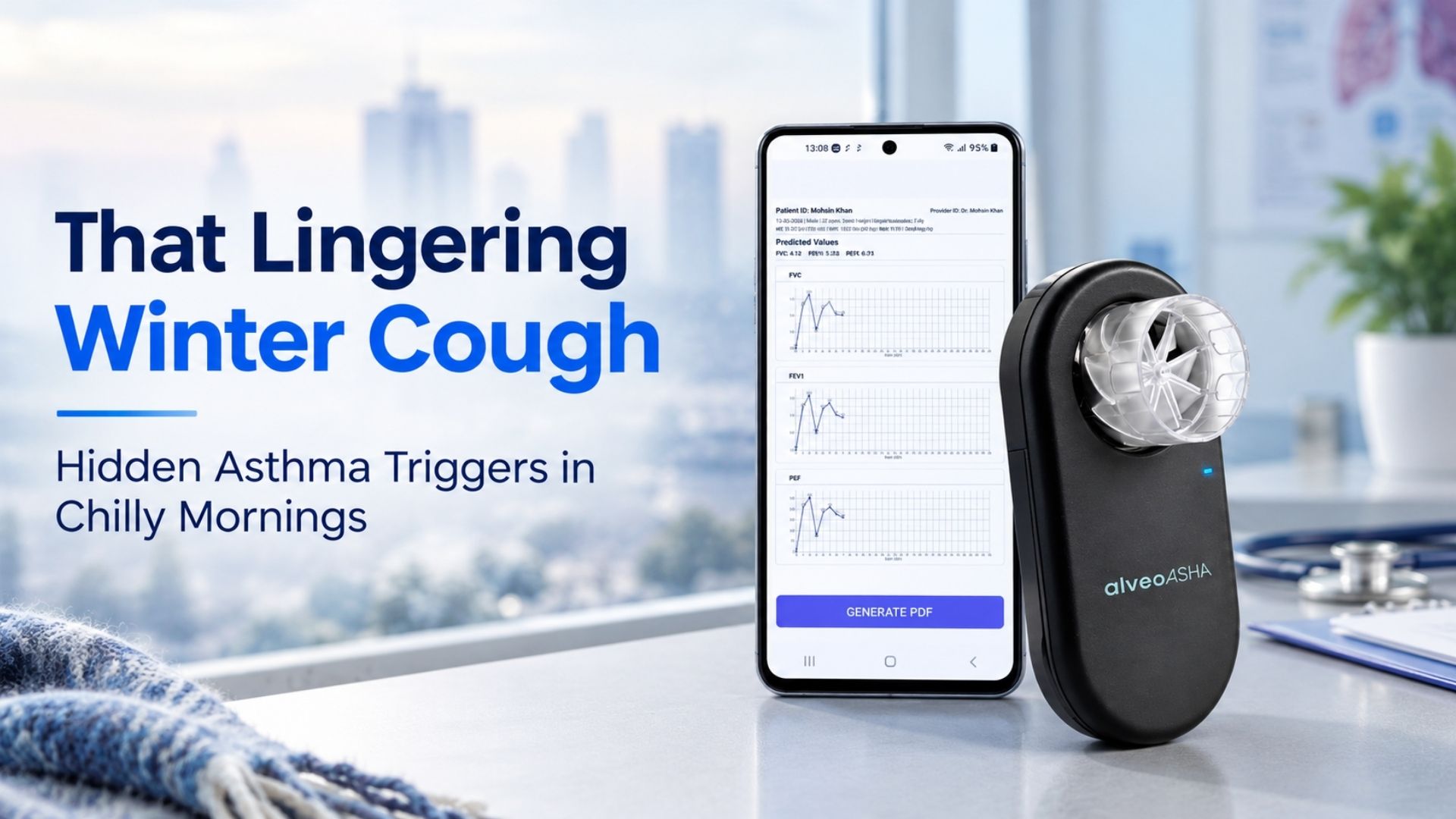
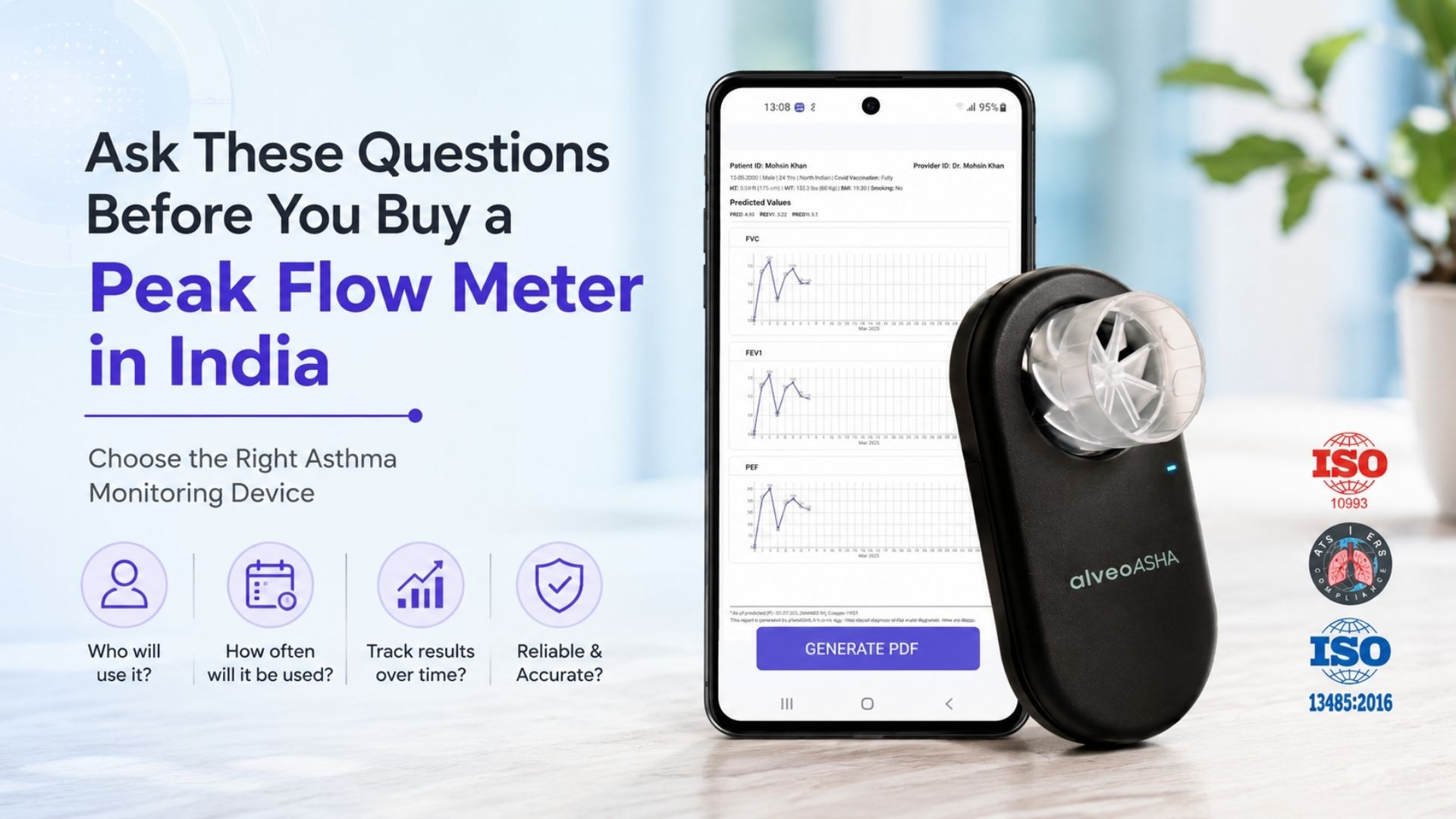
The problem is that by then, the underlying changes may already be more advanced. This is why depending only on perception is not always enough. In many cases, using a spirometer peak flow meter can provide clearer insight into how your lungs are functioning over time.
But how does a spirometer peak flow meter actually work, and why does it make such a difference?
How a Spirometer Peak Flow Meter Helps You Stay Ahead
This is where structured monitoring becomes important.
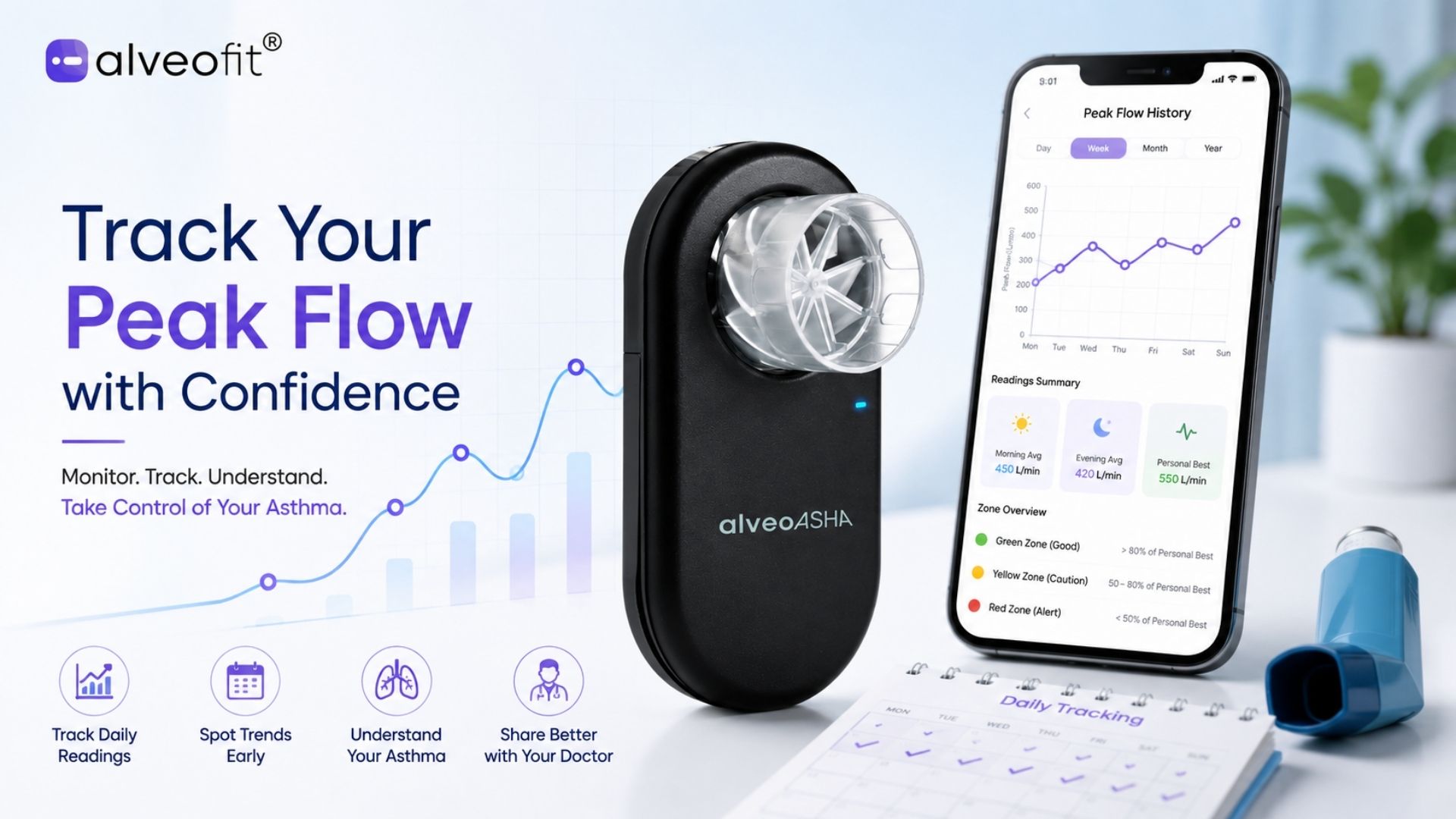
A spirometer peak flow meter provides a clear and measurable way to understand how your lungs are functioning on a daily basis. You don't merely have to rely on “how you feel. Instead, it shows how your airways are performing.
When used consistently, a spirometer peak flow meter helps you:
- Track changes in airflow over time
- Compare daily readings against your personal best
- Identify early declines before symptoms appear
This is where a peak flow meter chart becomes especially useful. It organises your readings into clear zones. The chart helps you understand:
- Whether your lung function is stable,
- Starting to decline, or
- Moving toward a risk range.
Over time, this approach removes guesswork. You no longer have to rely on memory or perception. Instead, you can see patterns clearly and act at the right time.
Conclusion
Recognising deteriorating lung function early requires attention, awareness, and consistency. While observing physical changes can offer useful clues, these signals are not always reliable on their own.
This is why many individuals choose to combine awareness with structured monitoring. Tools like a spirometer peak flow meter make it easier to track lung function accurately and respond before symptoms worsen.
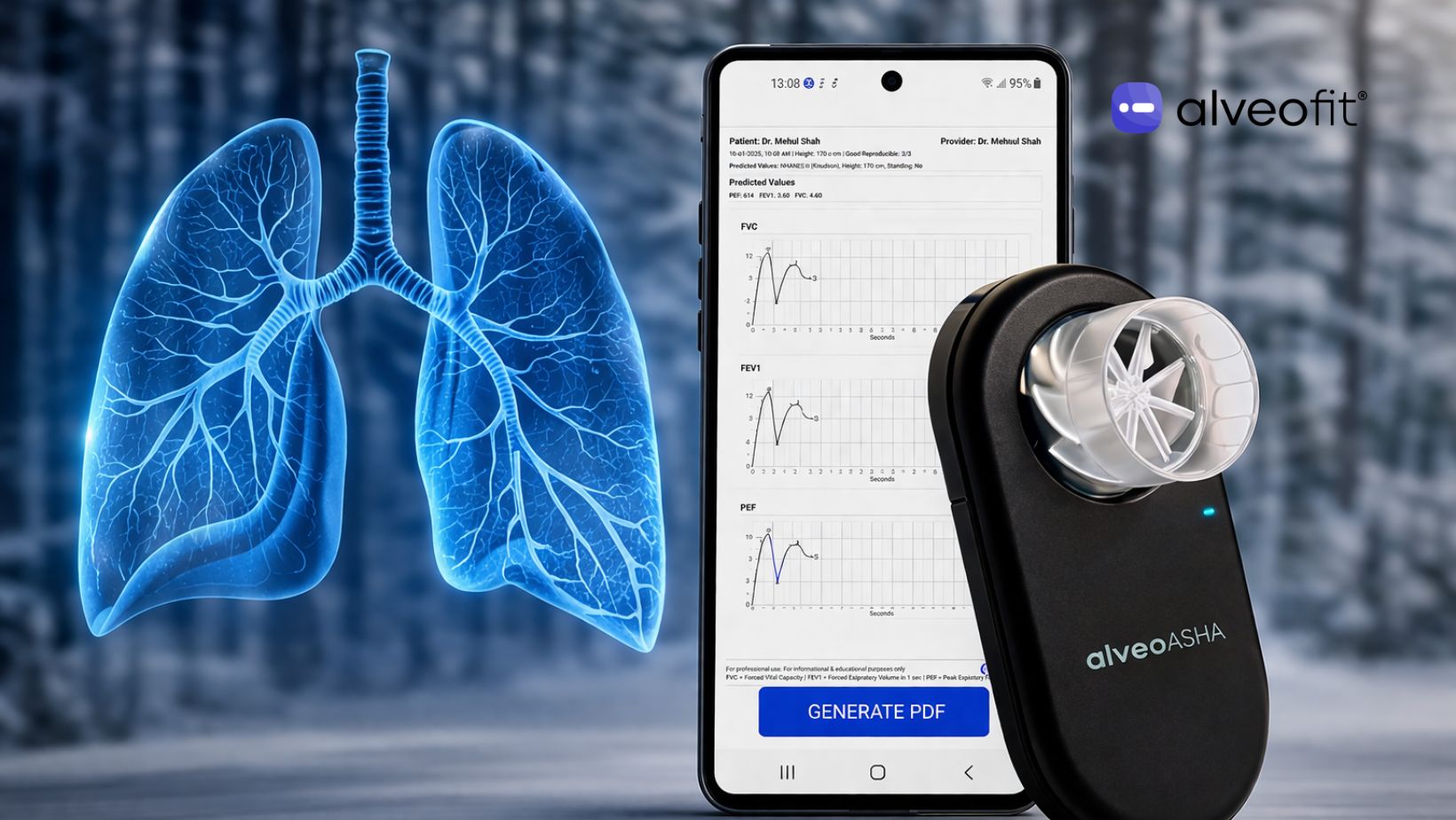
alveoASHA digital peak flow meter is designed to support this process. Our spirometer peak flow meter helps you monitor your breathing with clarity. You can track your peak flow meter chart easily with it and take control of your lung health with confidence.