A cough that lasts a few days rarely raises concern. It often follows a cold, irritation, or a short infection. But when that cough refuses to leave, when it lingers for weeks or quietly becomes part of daily life, it deserves closer attention.
Many people adjust to a chronic cough without realising it. They clear their throat more often. They avoid talking too much. They feel tired after long conversations. Over time, the cough feels familiar, almost normal. Yet, a cough that lasts weeks or months is not just a habit or leftover irritation. It is often a signal that the lungs or airways are under ongoing stress.
Understanding what a chronic cough means and why it should never be ignored is the first step toward protecting long-term lung health. ‘That is exactly what this article is about.
What Is a Chronic Cough?
A cough is generally considered chronic when it lasts longer than eight weeks in adults. Unlike an acute cough, which clears as the body heals, a chronic cough tends to persist even when other symptoms fade.
It may be dry or wet. It may worsen at night, during exercise, or in polluted environments. Some people notice it only when speaking or laughing. Others feel it deep in the chest, returning without warning.
What makes chronic cough challenging is that it rarely has a single obvious cause. It often reflects an underlying issue that needs proper evaluation rather than repeated symptom relief.
Why Chronic Cough Should Not Be Ignored
1. It Can Signal Ongoing Airway Inflammation
A persistent cough often points to irritation or inflammation inside the airways. Conditions like asthma, chronic bronchitis, or post-infectious airway sensitivity can quietly narrow airflow over time. Without assessment, this inflammation may continue unchecked.
2. It May Indicate Undiagnosed Lung Conditions
Many adults live with early asthma, mild COPD, or airway hyperreactivity without a formal diagnosis. A chronic cough may be the only outward sign. Ignoring it delays diagnosis and allows lung function to decline slowly.
3. It Can Be Linked to Post-Infection Lung Changes
Airways may remain sensitive for months after infections like pneumonia or severe viral illness. A lingering cough after such conditions is indeed a sign of incomplete recovery. Without monitoring, it is difficult to know whether healing is progressing or stalling.
4. It Affects Daily Energy and Sleep Quality
Chronic coughing disrupts sleep, conversation, and physical activity. Over time, it leads to fatigue, chest discomfort, and reduced stamina. These effects often build gradually, making them easy to dismiss until quality of life is affected.
5. It Can Mask Worsening Lung Function
Perhaps the biggest risk is invisibility. Chronic cough may actually be pushing your lung function to decline quietly while making symptoms appear “manageable.” Constantly ignoring such a cough allows your airflow blockage to progress underneath, constantly.
6. It Increases Sensitivity to Environmental Triggers
People with chronic cough often notice worsening symptoms on polluted days, in cold air, or indoors with poor ventilation. This sensitivity suggests that the airways are reacting more strongly than they should.
Each of these reasons points to the same truth. A chronic cough is rarely just a cough. It is often a sign that the lungs need closer attention.
Does A Portable Spirometer Help in Chronic Cough?
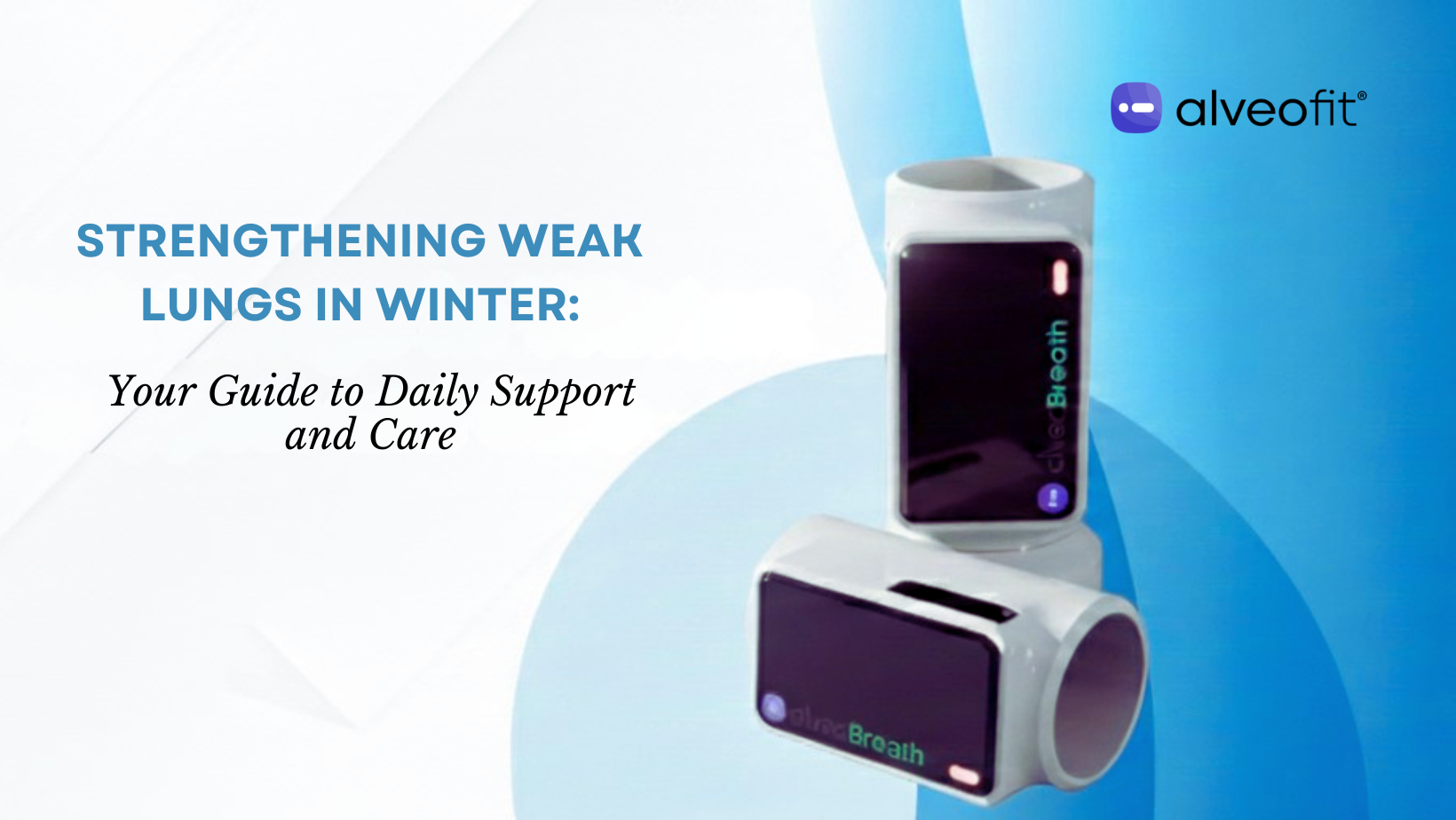
A portable spirometer measures how forcefully and how quickly air can be exhaled. Measuring airflow through such Portable Spirometry Devices helps reveal whether airways are narrowing, reacting, or struggling to recover after stress. It moves assessment away from guesswork and toward measurable insight. Using a portable spirometer allows this evaluation to happen more easily and more frequently. Instead of waiting for symptoms to worsen, airflow trends can be observed early.
For someone living with a chronic cough, this information matters because it shows whether coughing episodes are linked to airflow limitation or temporary irritation. Using Portable spirometry devices over time would, in fact, make patterns emerge. A portable spirometer can help you:
- Detect early airflow restriction even when symptoms feel mild
- Track changes before and after medication use
- Observe how pollution, cold air, or infections affect breathing
- Understand whether lung function is stable, improving, or declining
Many people find that using Portable spirometry devices shifts their mindset. Instead of wondering why the cough persists, they begin to see how their lungs behave day to day.
Conclusion
A chronic cough is not something to tolerate or explain away. Your body is asking for your deeper attention when it lasts for weeks or months. Ignoring that, however, delays understanding and allows small problems to grow quietly.
Monitoring lung function offers a calmer, clearer path forward. Portable spirometry devices help uncover airflow changes that symptoms alone cannot explain. They support early insight, safer decisions, and better long-term care.
So, are you seeking a reliable, connected respiratory monitoring solution? alveoConnect-T is a revolutionary device that brings precision and continuity into everyday lung health tracking. Learn how alveoConnect-T can benefit you by visiting our product section.