Why does that winter cough keep coming back, even when you think you're feeling better? Could chilly morning air be irritating your airways, or is something else triggering your asthma? It's not always easy to tell, especially when the symptoms seem to settle as the day progresses.
Is that lingering cough worth paying attention to? Let's decode what India's chilly mornings can mean for people with asthma and how to recognise changes in your breathing. We'll also explore when to seek medical advice and what to consider before you buy a peak flow meter in India.
Why Can Cold Morning Air Trigger Asthma Symptoms?
People living in cities like Delhi, Bengaluru, and Pune may wake up coughing or wheezing on chilly winter mornings. If you have asthma, you might find yourself wondering why your symptoms seem worse today, even when you felt fine the previous evening. Perhaps you suspect dust, pollen, or pollution. But what if the cold, dry air itself is also triggering your symptoms?
You see, your airways can be sensitive to sudden changes in temperature and humidity. Breathing cold, dry air can irritate them and cause them to narrow, making it harder for air to move freely. You may notice this as:
- Coughing: Your airways become irritated, leaving you coughing repeatedly, especially after exposure to cold air.
- Wheezing: Hear a whistling sound when you breathe, especially when breathing out? This can happen when your airways narrow and make it harder for air to move through.
- Chest tightness: Does your chest feel squeezed or heavy, as if you can't take a full, comfortable breath? This can be a sign that your airways are narrowing.
- Breathlessness: You may find yourself struggling to catch your breath, even during activities that normally feel easy.
The timing can make this even more confusing. Asthma symptoms can worsen overnight or in the early morning, so waking up with a cough may not be unusual for someone with asthma. The NHS explains that cold air can trigger symptoms, alongside other common triggers.
Cold weather can also affect people living with other lung conditions. In fact, 7 in 10 people surveyed by Asthma + Lung UK reported worse lung-condition symptoms in cold air.
So, do not blame one thing if you keep waking up coughing or wheezing. Instead, try to figure out if your symptoms are telling you the whole story.
Is It Just a Morning Cough, or Is Your Asthma Getting Worse?
So, you wake up coughing again. Perhaps your chest feels tighter than usual, or you find yourself wheezing while getting ready for the day. Wait! Does this mean your asthma is turning for the worse?
Not necessarily! Cold air can trigger temporary symptoms, and other factors can affect how you breathe. However, you must pay attention to it if your cough keeps returning, your sleep is disturbed, or everyday activities become harder.
But how do you know if your symptoms are getting worse?
That’s exactly where things get tricky!
The tricky part is that your symptoms don't always tell you how much your airflow has changed. You might wake up coughing and wheezing, but how can you tell whether your airways have narrowed more than usual? Going by how you feel alone can leave you guessing.
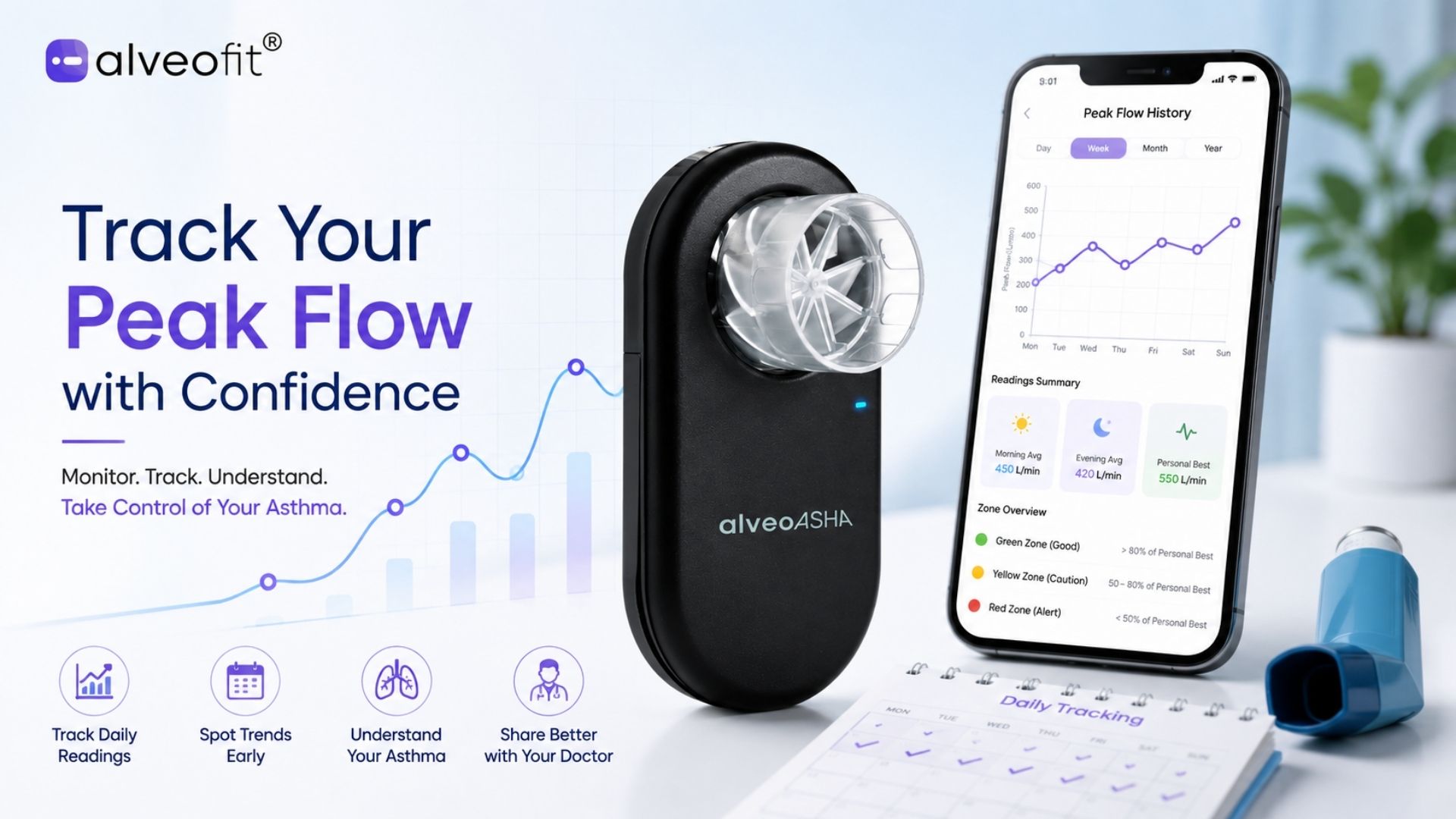
This is where peak-flow monitoring can help. A Peak flow meter in India can help you measure your peak expiratory flow (PEF), which tells you how quickly you can force air out after taking a deep breath.
People usually take their readings regularly or as recommended by their pulmonologists in India. If a reading falls below your usual level, it may be a sign that your airways have narrowed. This gives you something more useful to look at than symptoms alone.
In fact, the Indian Council of Medical Research (ICMR) asthma guidance includes peak expiratory flow monitoring among the tools used to manage asthma.
So, would you rather guess how your asthma is every morning? Or would you choose to have readings that can let you compare your “normal” lung-health? If you chose later, then how about you explore and buy a peak flow meter in India today? Using peak-flow readings alongside your symptoms can help you recognise changes and discuss them with your doctor before deciding what to do next.
How Can a Peak Flow Meter Help You Monitor Asthma at Home?
If you have asthma, how do you know whether your breathing is staying within its usual range or starting to change? Your symptoms can offer some clues, but they don't always tell you the whole story.
A peak flow meter gives you another way to check. You can take regular readings at home, record them, and compare them with your usual levels and personal best. Let's look at three things you can do with these readings:
It Helps You Notice Changes in Your Airflow
Do you think your asthma symptoms can tell you if air is moving well through your lungs? No, that may not! In fact, patients often feel relatively fine but still record a lower peak-flow reading than usual. At other times, coughing or wheezing may leave you wondering whether your airflow has changed.
This is where your readings become useful. A result below your usual level may indicate that your airways have narrowed, even if the change is not immediately obvious from your symptoms.
It Helps You Compare Readings Over Time
Your peak-flow reading can vary from day to day, so a single result may not tell you much on its own. That’s exactly why peak flow meters in India are so useful! Regular use of the device lets you compare your readings from day to day.
The readings also help your pulmonologist establish your personal best peak-flow reading. That number would later serve as a reference point for both you and the doctor when you monitor your breathing daily. You can then compare each new reading with your usual levels. If your readings start falling below your normal range, it may signal a change in your airflow, even before your symptoms become more noticeable.
Keeping a record helps you recognise these patterns and share them with your doctor. You can then follow your asthma action plan to understand what steps to take, rather than trying to judge every change from how you feel alone.
It Helps With Next Steps
Noticing a change is useful, but knowing how to respond matters just as much. Your doctor can explain what your readings mean and include them in a written asthma action plan. This plan can help you understand when to continue monitoring, adjust your care as advised, or seek medical attention.
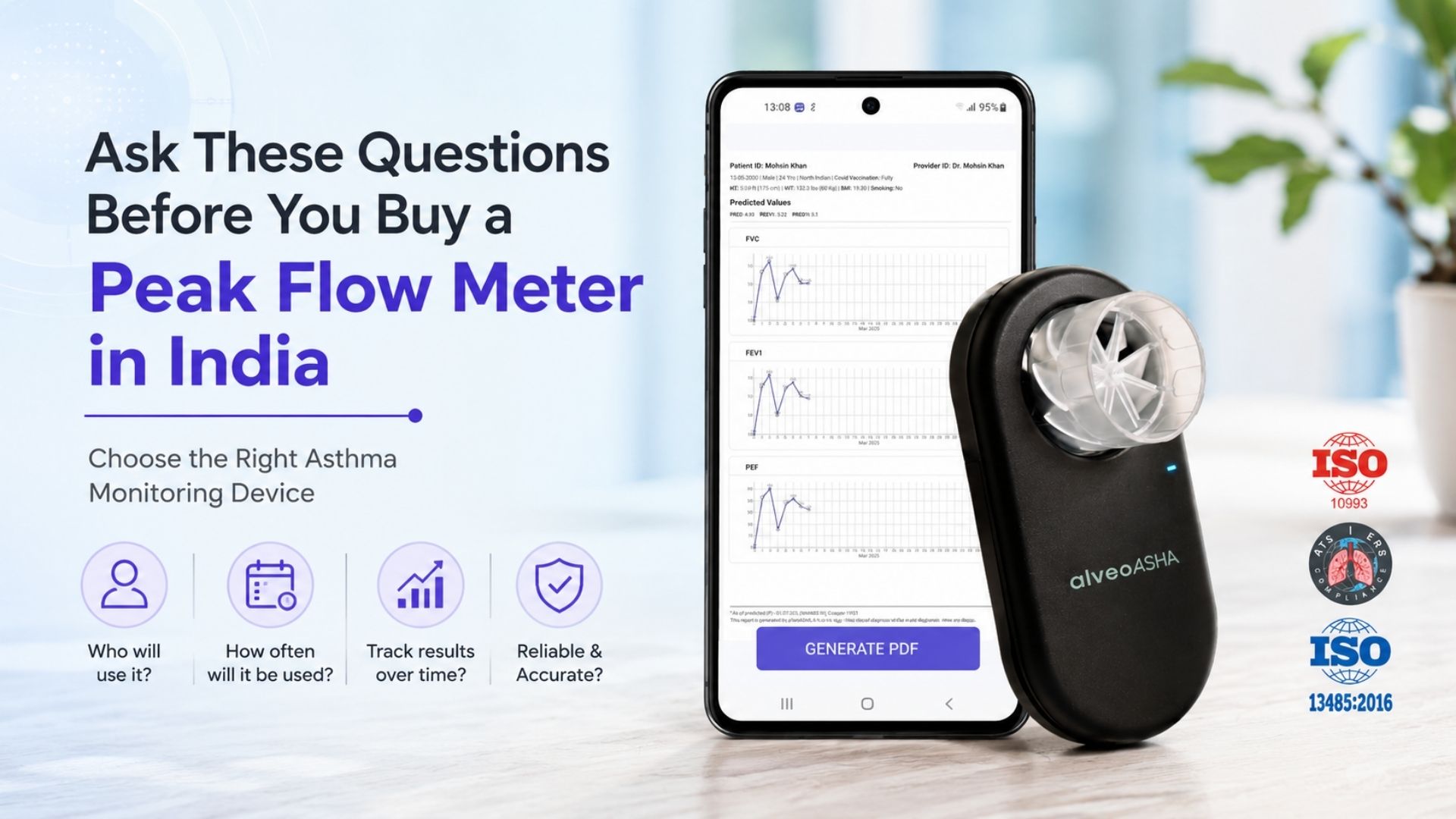
So, do you want to buy a peak flow meter in India? Remember to choose one that suits your monitoring needs and feels easy to use consistently. Having a Peak flow meter in India allows you to discuss all your readings with your doctor instead of relying on symptoms alone.
Note: A Peak flow meter in India cannot predict every asthma attack or replace prescribed medication and medical care. But using it to monitor your lung health regularly can empower you with information that supports better-informed decisions about your lung health.
What To Check When Buying A Peak Flow Meter in India?
A peak flow meter is an investment in your well-being, so you shouldn't buy just any device you come across. The right choice depends on what your doctor recommends and how you plan to monitor your breathing at home.
Here are three features worth checking before you buy a peak flow meter in India:
- Lung function measurements:
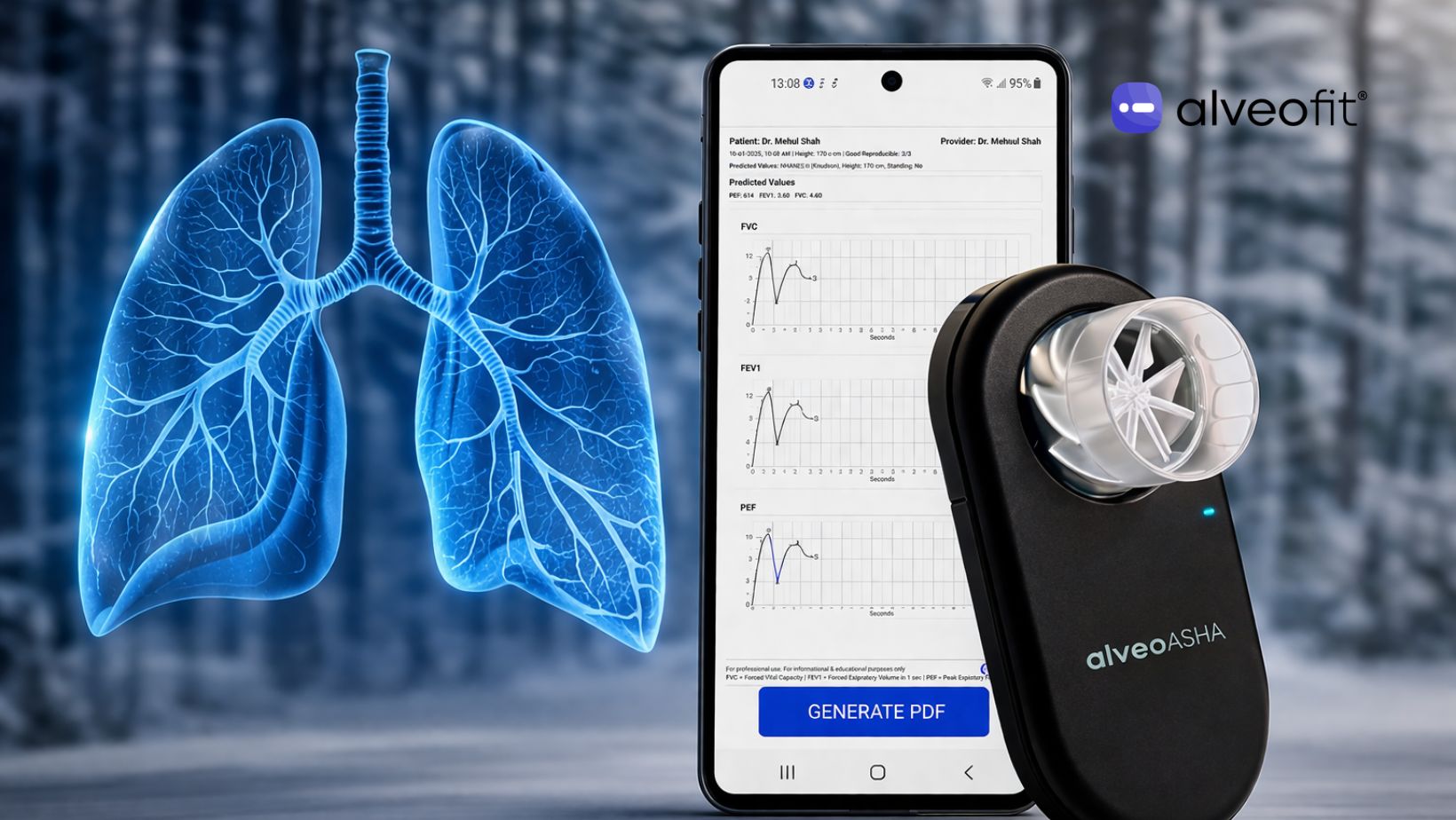
Check whether the device measures PEF alone. Or does it also records FEV1, FVC, and FEV1/FVC? These measurements provide different information about how quickly you breathe out and how much air you can exhale. Not every device offers all four parameters.
- Historical data storage:
Look for a good peak flow meter with functionality that allows it to save your daily readings. A device that offers dates and results over weeks or months is even better. This makes it easier to compare current readings with earlier ones and discuss changes with your doctor.
- Bluetooth and app connectivity:
Some digital devices transfer readings to a smartphone app, where you can view past results and generate reports. Such features prove benefitials especially when you or your doctor wants to review your readings for assessment.
Most importantly, remember that the device you choose should be easy to use regularly and provide information relevant to the monitoring your doctor recommends.
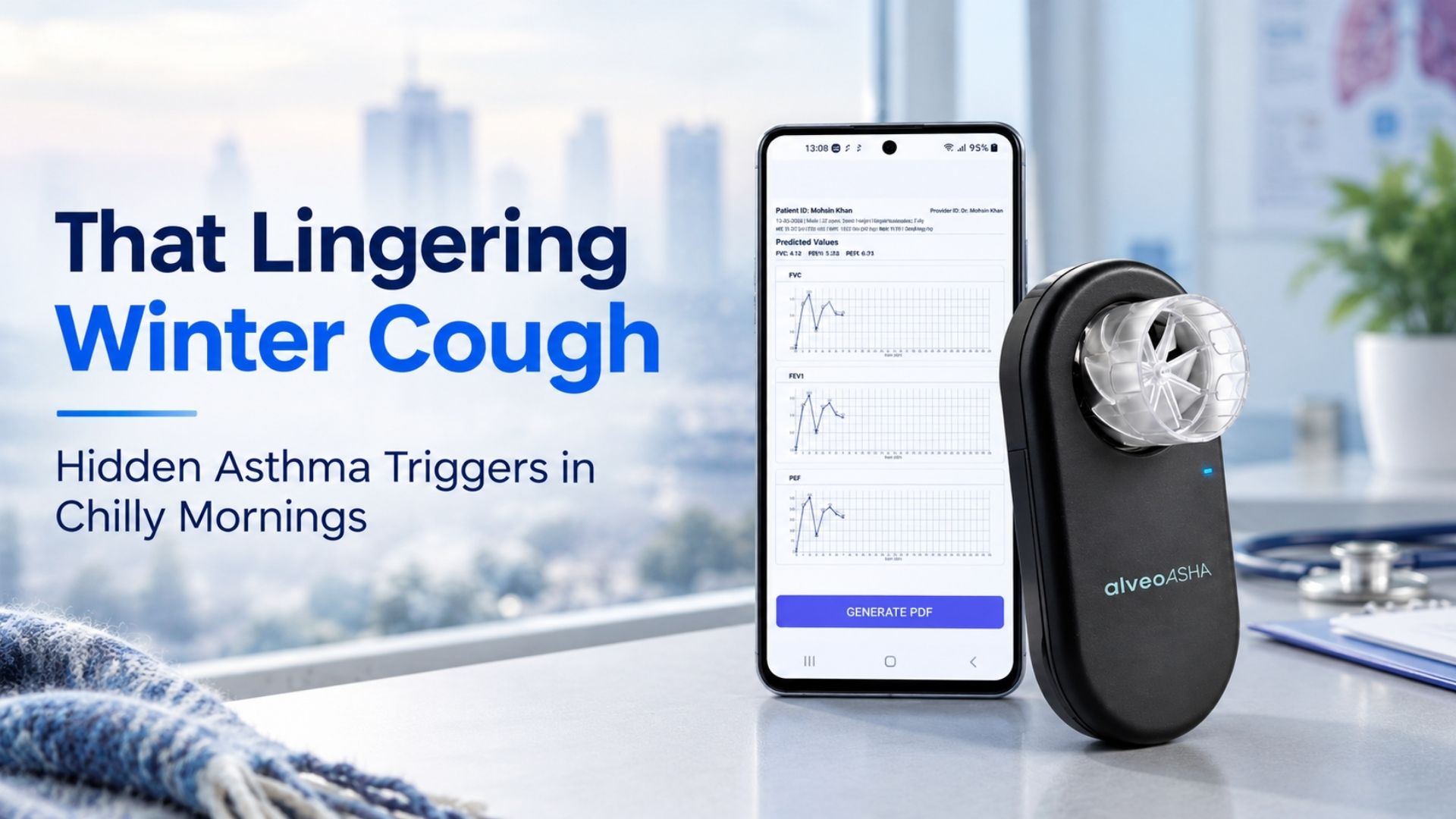
The alveoAsha Digital Peak Flow Meter in India has all such features and more, offering convenient lung health monitoring at home. It measures PEF, FEV1, FVC, and FEV1/FVC, connects to your smartphone via Bluetooth, and supports historical data management and report generation. Check out alveoAsha Digital Peak Flow Meter to explore its features or if considering to buy a peak flow meter in India.
When Should You Seek Medical Advice for a Morning Cough?
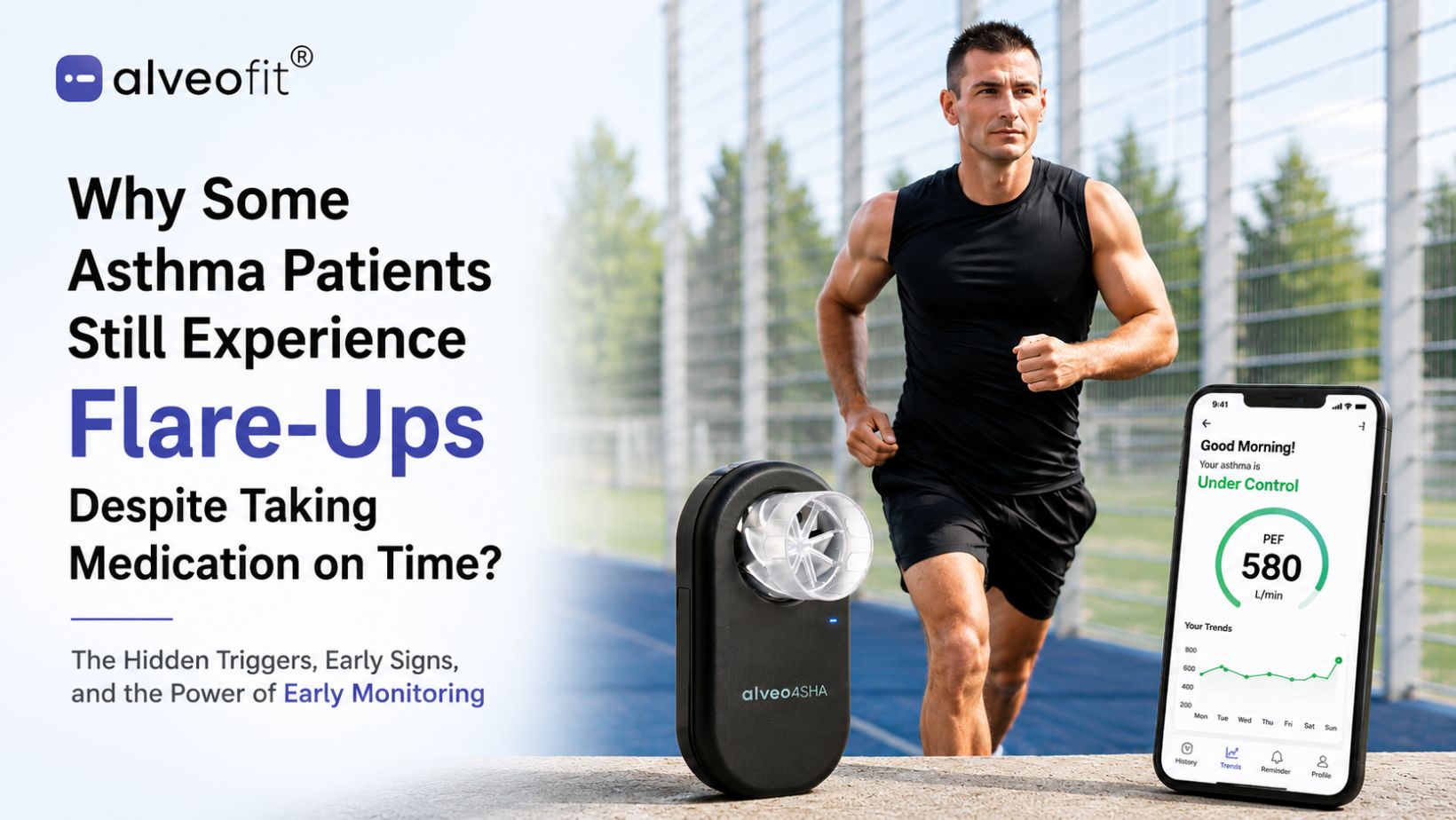
A morning cough doesn't always mean your asthma is getting worse. However, seek medical advice if symptoms keep returning, disturb your sleep, or make everyday activities harder.
Some symptoms can signal a severe asthma attack and need emergency medical attention:
- Severe breathlessness
- Difficulty speaking
- Blue or grey lips
- Rapidly worsening symptoms
- Reliever inhaler ineffective
- Confusion or drowsiness
- Exhaustion or collapse
Are you experiencing one or more of these symptoms? Don't wait a minute, even to get a peak flow meter reading. Seek emergency help immediately.
Conclusion
Have you ever dismissed it when you wake up coughing or wheezing during chilly winters in India? You may think it's normal winter cold-related issues that will go away, but things could be serious. Cold air can trigger asthma symptoms, but understanding what is happening requires more than guesswork.
Pay attention to how you feel, track your peak-flow readings as your doctor recommends, and discuss any concerning changes with them. The right monitoring tool and routine can help you make better, more informed decisions about your lung health.
At alveofit, we believe that understanding your breathing should be easier and more accessible. Our alveoAsha Digital Peak Flow Meter is carefully designed to offer regular lung health monitoring to patients across India. Explore its features to see whether it fits your home monitoring needs.
Recognising changes and knowing when to seek help can make a real difference when it comes to your lung health. So, why not buy a peak flow meter in India today?
FAQs
Can cold morning air trigger an asthma attack?
Yes, cold air can trigger asthma symptoms in people with sensitive airways. It can lead to constant coughing, wheezing, chest tightness, and even breathlessness.
Can a peak flow meter warn against asthma getting worse?
Yes, a peak flow meter can help you spot signs of worsening asthma by tracking changes in your breathing. If your readings fall below your usual levels, it may indicate narrowing airways, even before symptoms become noticeable.
How often should you use a peak flow meter at home?
Your doctor can recommend a monitoring schedule based on your condition and symptoms. Follow their instructions and compare readings with your established personal best.
What is the difference between a digital peak flow meter and a traditional one?
A traditional meter measures peak expiratory flow using a mechanical scale. Some digital devices, like alveoASHA, also offer additional measurements, electronic records, and smartphone connectivity.