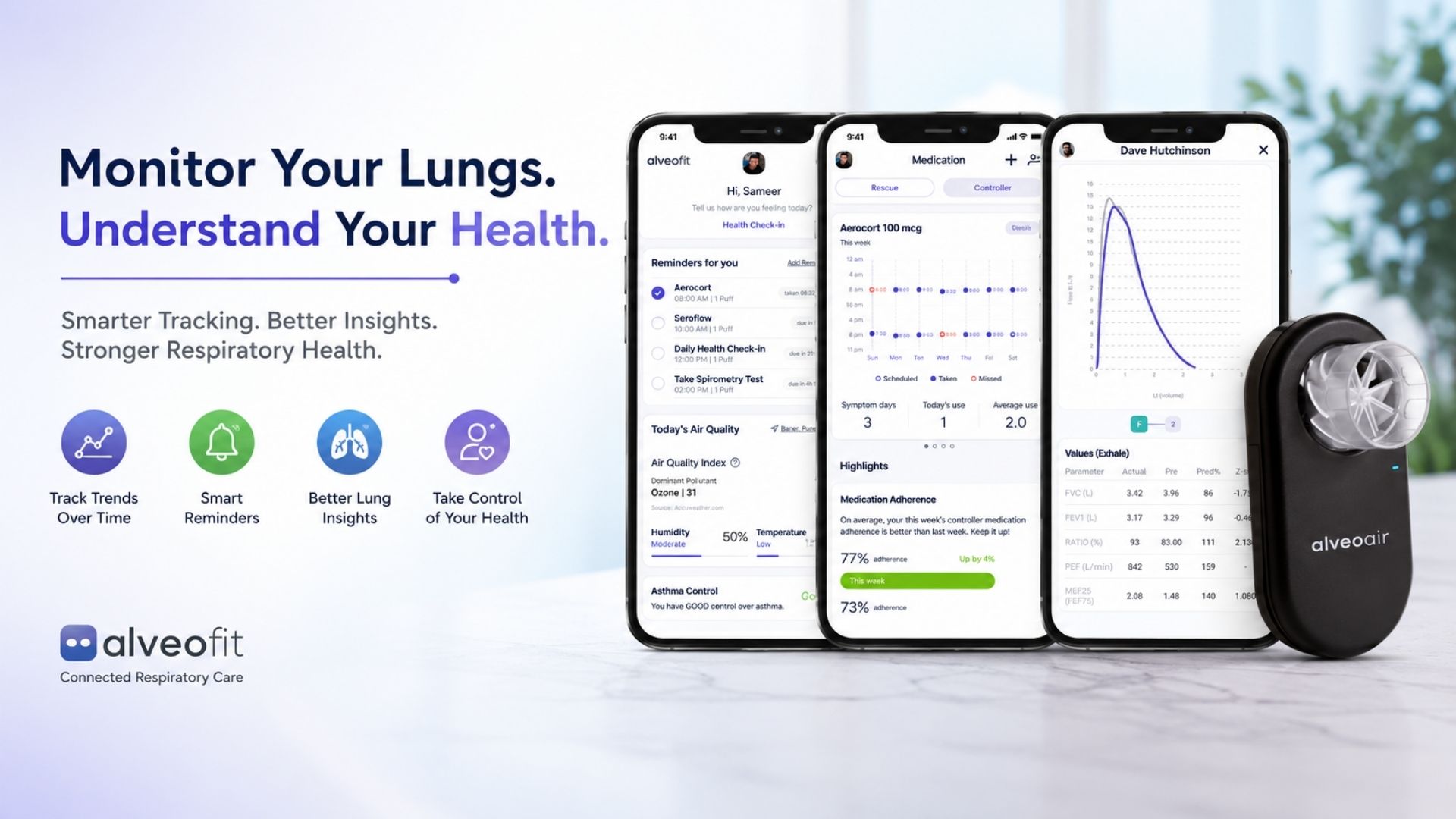
Many people invest in patient monitoring devices to stay on top of their health. They take readings regularly and assume they are actively monitoring their condition. However, taking a reading and understanding what it means are not always the same thing.
One reading can provide valuable information, but it rarely tells the complete story. Meaningful health monitoring comes from recognising changes over time rather than focusing on individual numbers.
This article explores the difference between collecting health readings and truly monitoring your health, and why that distinction matters.
Taking a Reading Is Only the First Step
Many people believe taking a health reading means they are actively monitoring their condition. That assumption is understandable. After all, patient monitoring devices help measure important health parameters and provide valuable health information at a particular moment. However, one reading rarely tells the complete story.
Many health conditions, especially chronic conditions, can change gradually. Some changes happen over days, while others take weeks or even months to become noticeable. Hence, looking at one reading alone makes it difficult to understand whether your condition is improving, remaining stable, or showing early signs of change. Think of it this way:
“A single photograph can merely capture one moment in time; it cannot tell the story of an entire journey behind it, can it?”
Health readings work in kind of the same way. One reading tells you what is happening today, but it cannot answer questions like:
- Has your condition been improving?
- Have your readings remained stable?
- Is there a gradual decline you have not noticed?
- Has anything changed since last week or last month?
- Have your symptoms changed alongside these readings?
Those answers only become clear when individual readings are viewed together over time. That ongoing record creates a much clearer picture of your health and supports more informed self-monitoring. This is exactly where true health monitoring begins. Such monitoring is not just about taking readings but it is about:
- Recording them consistently,
- Reviewing them regularly, and
- Understanding what they reveal together
This distinction is especially important for people managing long-term conditions. The reading itself is only the starting point. The real value comes from understanding what those readings are telling you over time. That naturally raises another question:
Are you actually monitoring your health, or are you simply collecting numbers?
Five Signs You're Collecting Numbers Instead of Monitoring Your Health
The difference between collecting numbers and monitoring your health is not always obvious. Many people believe they are doing everything right simply because they are taking regular readings. However, effective monitoring involves much more than measuring a health parameter.
If any of the situations below sound familiar, there is a good chance you are collecting readings rather than actively monitoring your health:
- You only take readings when symptoms appear: Regular health monitoring provides a much clearer picture than checking your health only during symptom flare-ups or when you feel unwell.
- Your readings are scattered across notebooks, phone notes, screenshots, or loose sheets: Looking back at your health history becomes difficult when health records are stored in different places.
- You rarely compare today's reading with previous health measurements: A single number has limited value without understanding how it has changed over time.
- You struggle to remember previous readings during doctor visits: Recalling numbers from memory rarely supports productive healthcare consultations or follow-up appointments.
- You record readings but never look for patterns or trends: Individual readings provide information. Long-term trends provide context that supports better health monitoring and decision-making.
Recognising these signs is the first step towards improving your monitoring routine. The next step is understanding how consistent tracking and organised health records can make every reading more meaningful.
What Meaningful Health Monitoring Actually Looks Like
Meaningful health monitoring does not end when you take a reading. In many ways, that is where the process actually begins. The real value of any health reading actually comes from what you do with it afterwards.
A single reading can tell you how you are doing today. Recording it allows future readings to be viewed in context rather than on their own. Over time, those readings become easier to compare, making it possible to identify patterns and recognise gradual changes in your condition. In practice, meaningful health monitoring usually involves:
- Taking readings consistently instead of only when symptoms appear.
- Recording every reading in one organised place.
- Reviewing previous readings regularly.
- Looking for changes and patterns over time.
- Discussing those trends with your healthcare provider when needed.
Each step as discussed here builds on the one before it. Together, they transform individual readings into meaningful health information. That information can support better decisions, more productive conversations with your doctor, and greater confidence in managing your condition.
This is where patient monitoring devices deliver their greatest value. They help collect reliable health readings. Their true value, however, lies in how those readings are tracked, reviewed, and used to understand changes over time.
Why Patient Monitoring Devices Alone Are Not Enough
Patient monitoring devices have transformed the way people manage long-term conditions. They make it easier to measure important health parameters at home and encourage people to stay more involved in their health. However, taking a reading and understanding what it means are two different things.
A patient monitoring device can measure your health at a particular moment. It cannot automatically explain why a reading has changed, whether that change is part of a larger trend, or what it may mean for your condition. Interpreting those readings still requires context and a complete view of your health history.
This is where many people struggling with asthma, COPD, or other breathing-related problems face a challenge. Their readings may be spread across notebooks, screenshots, mobile notes, or different devices. Looking back at previous results then becomes difficult, making it harder to recognise gradual changes or prepare for healthcare consultations.
Digital health tracking helps bridge that gap. Instead of leaving health information scattered, it brings readings together in one organised place. This makes it easier to:
- Review your health history whenever needed.
- Compare current readings with previous results.
- Recognise long-term trends more easily.
- Share organised health information with your healthcare provider.
Patient monitoring devices provide the information needed to understand your health. Digital health tracking helps organise that information into a complete picture. Together, they support more informed monitoring and greater confidence in managing long-term health.
Bringing Everything Together with Smarter Health Tracking
By now, it’s clear that meaningful health monitoring involves much more than taking readings. It requires consistency, organisation, and the ability to understand how your health changes over time. Keeping track of that information can, however, become difficult when readings are spread across different places or reviewed only occasionally.
Fortunately, recent advancements in connected healthcare are making long-term health monitoring much easier. People struggling with asthma, COPD, or other lung-related diseases do not need to rely on scattered records or try to remember previous readings.
Digital health platforms have become advanced and can now help bring everything together in one organised place. This makes it easier to review trends, recognise changes over time, and share meaningful health information with your healthcare provider.
At alveofit, we believe better health decisions begin with better health awareness. That is why we have developed an ecosystem of connected respiratory monitoring solutions. This includes smart devices and digital health applications that are designed to make long-term monitoring simpler and more meaningful.
One of these solutions is the alveofit Patient App. It provides a simple way to keep your health readings organised, review your progress over time, and access your health history whenever you need it. You no longer need to manage scattered records! With alveofit you have one place to better understand how your health is changing and support more informed discussions with your healthcare provider.
Explore the alveofit Patient App and discover how connected health tracking can help make every health reading more meaningful.